
EMAIL US:
The U.S. Mint Has Stopped Making Pennies. What It Means and Why Some Investors Are Turning to Gold
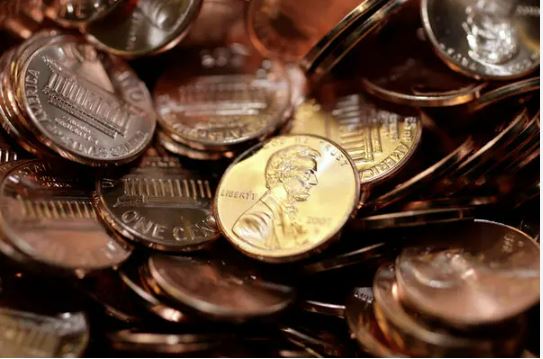
When the U.S. Mint officially halted production of the penny on November 12, it marked the end of more than a century and a half of history. The decision came after it became more expensive to produce a one-cent coin than the coin was worth—an issue that’s been brewing for years.
But as the penny fades from circulation, a bigger question arises: what does the end of penny production mean for consumers, and why is it pushing some people to think more seriously about long-term stores of value like gold?
In this guide, you’ll learn exactly what’s happening, how retailers are responding, what to do with your existing pennies, and why some investors see this as a timely reminder about protecting purchasing power.
Why the U.S. Mint Stopped Making Pennies
The cost of manufacturing a penny has exceeded one cent for over a decade due to rising metal prices, production costs, and the shift toward digital payments. Ending production allows the Treasury to cut unnecessary expenses and streamline modern currency use.
Many Americans are surprised by the announcement, but other countries paved the way. Canada eliminated its penny in 2012, and the transition was simple—most consumers barely noticed.
How Retailers Are Handling the Loss of the Penny
One of the biggest questions people are asking is: Will stores change prices now that pennies are disappearing?
Here’s what’s happening:
-
Some retailers will round cash transactions to the nearest nickel.
-
Others are asking for exact change, especially those already minimizing cash handling.
-
Digital payments remain unaffected—credit and debit transactions still calculate totals to the exact cent.
The bottom line: your pennies are still accepted, and you won’t encounter major disruptions at checkout.
Are Pennies Still Worth Anything?
Absolutely. Even though no new pennies are being minted, the ones already in circulation remain legal tender. You can:
-
Spend pennies normally
-
Roll them and deposit them at your bank
-
Use coin-counting machines
-
Put them back into circulation
What about potential collector value?
Most pennies—including older dates—hold minimal premium value. Pre-1982 pennies contain more copper, and some coin dealers may pay a few cents each, but they’re not rare or highly valuable.
What Should You Do With Your Pennies Now?
If you’ve been storing jars of pennies over the years, now is a great time to put them to use. Consider:
-
Cashing them in for deposit or spending
-
Using them in crafts such as jewelry, coasters, or memory jars
-
Sorting them if you enjoy coin collecting
-
Donating them to local charities that accept spare change
Pennies won’t vanish immediately; instead, they’ll gradually disappear from circulation over several years as they’re lost, damaged, or turned in.
What the End of the Penny Says About the Value of Money
The retirement of the penny is more than a financial footnote—it’s a reminder that not all forms of money maintain their value over time.
When the cost of producing currency becomes higher than the currency itself, it raises important questions for savers and investors:
-
How stable is physical currency?
-
What assets can preserve value in the long term?
-
How do you protect purchasing power as economic conditions change?
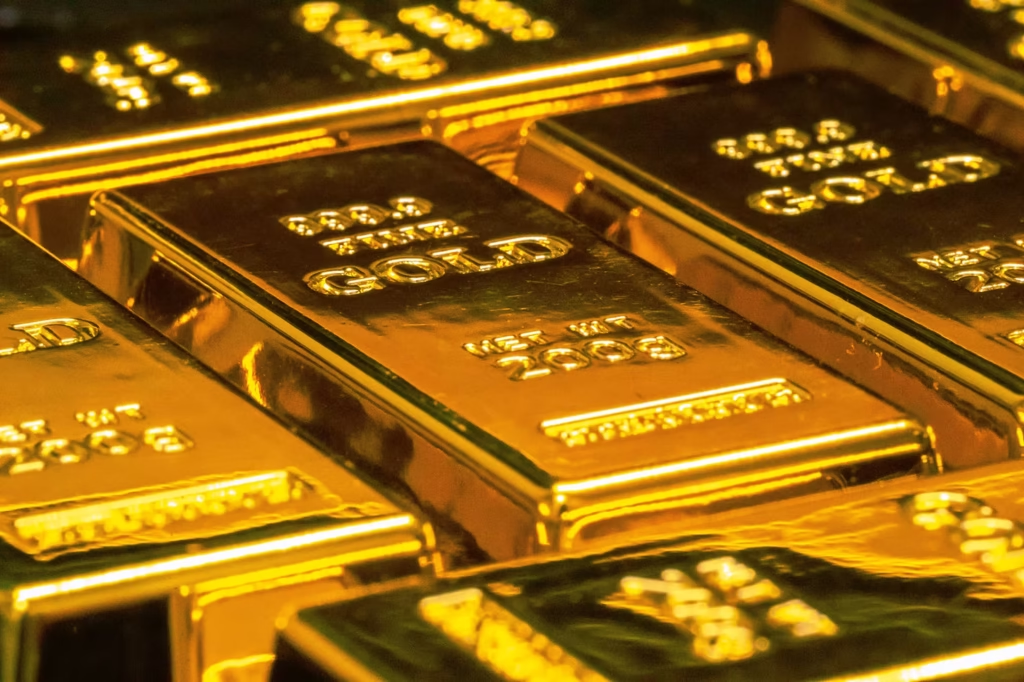
This is exactly why many people turn to gold, an asset with a long history of maintaining its worth through inflation, recession, and currency shifts.
Why Investors Are Looking More Closely at Gold
As the U.S. phases out its least valuable coin, many Americans are revisiting what truly holds value.
Gold continues to stand out for several reasons:
-
It historically preserves purchasing power
-
It performs well in periods of inflation and uncertainty
-
It’s a tangible, globally recognized store of value
-
It helps diversify a portfolio and reduce risk
While the penny has become too costly to produce, gold has remained one of the most reliable hedges against economic volatility.
Is It Time to Strengthen Your Portfolio?
The end of penny production may feel symbolic, but it serves as a timely prompt: are you building a portfolio with assets that truly hold their value?
If you’re considering whether precious metals, including gold, may play a role in your long-term financial strategy, now is a great time to explore your options.
Ready to learn more about how gold fits into a modern investment plan?
Reach out today to schedule a consultation or a quick portfolio check-in.